Special Needs Dentistry
COMPASSIONATE DENTAL CARE FOR EVERY UNIQUE SMILE
Gentle, Compassionate Dental Care Designed Just for Kids.
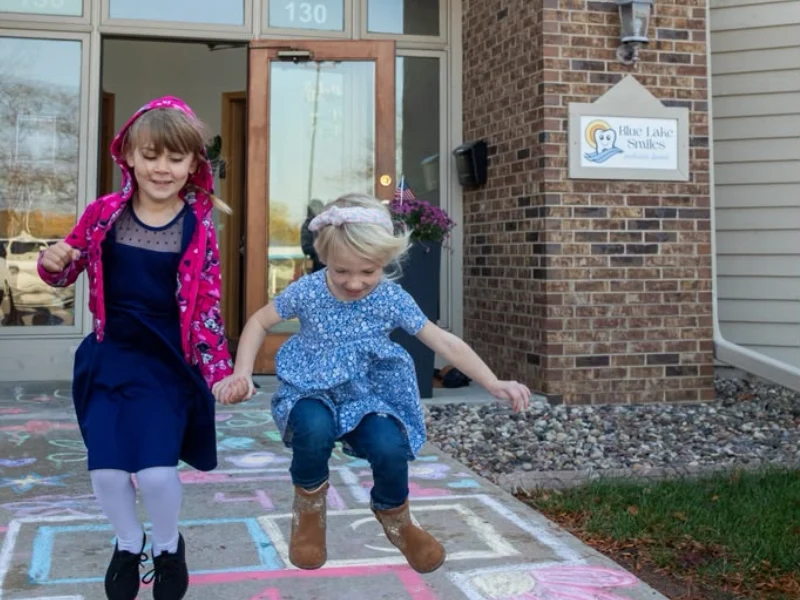
At Blue Lake Smiles, we believe every child deserves dental care that respects their individual needs, abilities, and comfort. Children with developmental, physical, behavioral, sensory, or medical conditions may benefit from a more personalized approach to dental visits and treatment.
Our special needs dentistry services focus on creating a welcoming, supportive environment where children can feel safe and understood. Through flexible care strategies, clear communication, and collaboration with parents and caregivers, we work to make dental appointments more comfortable while helping children maintain healthy teeth and gums.
Why Choose Blue Lake Smiles for Special Needs Dentistry?
At Blue Lake Smiles, we understand that every child experiences dental care differently. Our approach focuses on patience, flexibility, and individualized support to help children with additional needs receive appropriate dental care in a reassuring environment.
Personalized Dental Care
Every child has unique strengths, challenges, and healthcare needs. We consider your child's medical history, communication preferences, sensory sensitivities, and dental concerns to develop an approach that supports their individual needs.
Calm & Supportive Environment
New environments, unfamiliar sounds, bright lights, or unexpected sensations can make dental visits challenging for some children. We aim to create a welcoming atmosphere and use appropriate adjustments to help reduce stress and make appointments more manageable.
Flexible Communication & Care Strategies
We adapt our communication and approach to suit your child's comfort and abilities. Depending on their needs, we may use simple explanations, visual cues, gradual familiarization, breaks, or other supportive techniques to help them participate in dental care.
Family-Centered Guidance
Parents and caregivers understand their child's needs better than anyone. We work closely with families to identify helpful strategies, discuss oral hygiene challenges, and provide practical recommendations for maintaining healthy teeth and gums at home.
1. What is special needs dentistry?
Pediatric dentistry focuses on the oral health of infants, children, and teenagers. It includes preventive care, monitoring dental development, treating dental concerns, and helping children build healthy habits for a lifetime of confident smiles.
2. Can my child with autism or sensory sensitivities receive dental care?
Yes. Children with autism or sensory sensitivities can receive dental care with an approach tailored to their needs. Depending on the child, helpful strategies may include gradual familiarization with the dental environment, clear explanations, reduced sensory stimulation, visual supports, and scheduled breaks. We encourage parents to share their child’s preferences and triggers before the appointment.
3. How can I prepare my child for a dental visit?
You can help by talking about the visit using familiar, reassuring language, practicing brushing at home, and introducing your child to dental-related pictures or stories. Let our team know about your child’s communication preferences, sensory sensitivities, medical history, and any strategies that help them feel comfortable. We can discuss additional preparation based on their needs.
4. What happens if my child cannot tolerate a routine dental examination?
Some children need additional time, gradual familiarization, or alternative approaches before a dental examination can be completed. We assess what is manageable for your child and discuss appropriate next steps with you. If necessary, we may consider referral or additional support, including sedation or treatment under general anesthesia when clinically appropriate and available.
Why Special Needs Dentistry Matters
Maintaining good oral health can be more challenging for some children who have developmental, physical, behavioral, sensory, or medical conditions. Difficulties with brushing, sensitivity to unfamiliar sensations, challenges with communication, medication-related oral health effects, or limited tolerance for dental procedures can increase the need for individualized care.
Special needs dentistry helps address these challenges by adapting the dental experience to each child’s circumstances. Rather than expecting every child to respond to the same approach, we focus on understanding their needs, identifying potential barriers, and finding practical ways to make dental care more accessible and comfortable.
Preventive care remains an important part of this process. Regular dental assessments, professional cleanings when tolerated, appropriate fluoride recommendations, and guidance for caregivers can help reduce the risk of cavities and gum problems. Early identification of dental concerns may also help prevent the need for more complex treatment later.